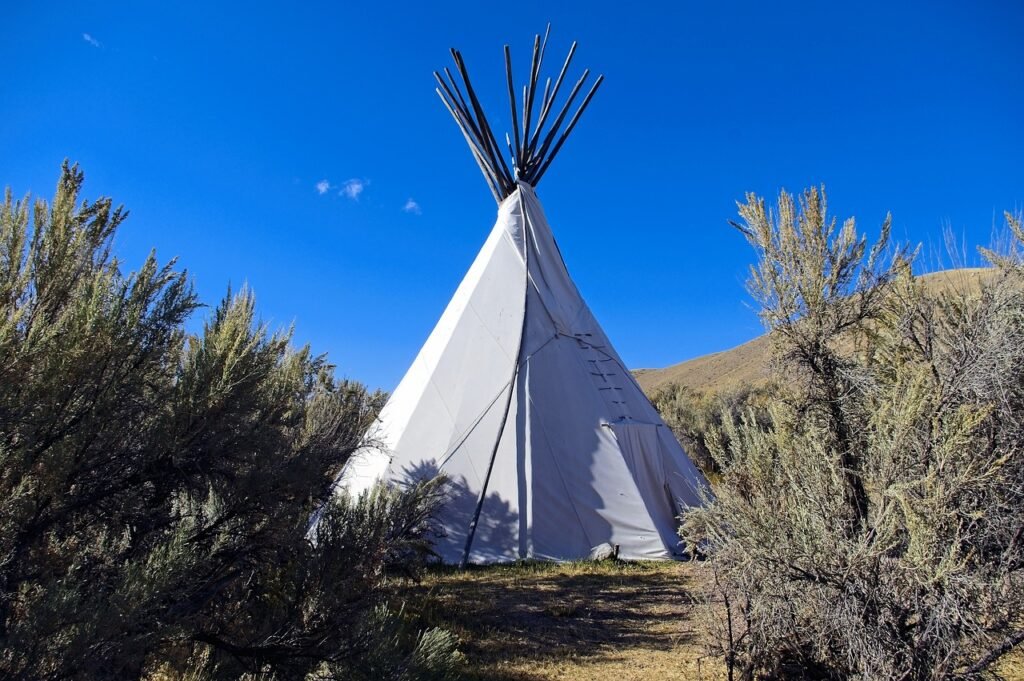
How to Stay Safe While Traveling Abroad: A Complete Guide
Have you ever found yourself daydreaming about your next travel adventure, only to be hit with a wave of anxiety about safety? You’re not alone. According to a recent survey, over 60% of travelers express concerns about safety when visiting a new country. But here’s the good news: by being well-informed and prepared, you can enjoy your travels while minimizing risks. So, how do you navigate the complexities of safety while traveling abroad? Let’s dig deeper.
From the bustling streets of Tokyo to the serene beaches of Bali, every destination has its unique charm and potential pitfalls. When you step into the unknown, it’s crucial to arm yourself with knowledge and strategies that will keep you safe. Whether you’re a seasoned globetrotter or a first-time flyer, understanding the nuances of travel safety can make all the difference. So, what should you keep in mind as you embark on your next journey?
Research Your Destination Thoroughly
Before you even book a ticket, the first line of defense in your safety plan is research. Understanding the political climate, cultural norms, and specific safety concerns of your destination can provide invaluable insights. Take the case of Sarah, who planned a trip to a seemingly idyllic destination in Eastern Europe. A simple online search revealed a significant rise in petty crime in the area she intended to visit. Armed with this knowledge, she adjusted her itinerary and opted for safer neighborhoods, ultimately having a more enjoyable experience.
What most travelers miss is that safety information isn’t just about avoiding dangerous areas; it also includes understanding local customs. For example, in some cultures, it’s considered rude to take photographs of people without permission. Being aware of such nuances can prevent confrontations and help you build rapport with locals. So, before you pack your bags, dedicate some time to uncovering the ins and outs of your destination. It’s a small investment for a lifetime of memories.
Stay Connected with Loved Ones
In our hyper-connected world, staying in touch with family or friends back home has never been easier—or more crucial. Before embarking on your journey, share your itinerary with someone you trust. This simple act serves multiple purposes: not only does it keep your loved ones informed, but it also creates a safety net should anything go wrong. For example, Tom made a habit of sending a quick text every evening to let his sister know he was safe. When he got caught in a sudden storm while hiking in New Zealand, she was able to alert authorities since she knew his last known location.
Additionally, consider using location-sharing apps. They can provide peace of mind for both you and your family. Just imagine being able to reassure your parents with a quick link showing where you are! At the end of the day, communication is key, and keeping those who care about you in the loop is an effective safety strategy.
Embrace Smart Packing Practices
What’s in your suitcase might not be the only thing you need to consider when it comes to safety. Packing strategically can minimize risks, especially when it comes to valuables. A common mistake is carrying too much cash. Instead, have a combination of cash, credit cards, and mobile payment options. Julie, a frequent traveler, swears by the ‘divide and conquer’ method: she keeps some money in her wallet, some in a hidden pouch, and a backup credit card in her hotel safe. This way, if she loses her wallet, she still has access to funds.
Moreover, don’t forget about emergency essentials. A small first-aid kit, copies of important documents, and a backup phone charger can make a huge difference. Truth is, you never know when you might need them. Being prepared for the unexpected doesn’t mean you need to overpack; it’s about packing smart!
Trust Your Instincts and Stay Aware
Every seasoned traveler can tell you stories of moments where they sensed trouble brewing. What they often emphasize is the importance of trusting those instincts. If something feels off, it probably is. Just ask David, who found himself in a sketchy situation in a crowded market in Morocco. When he felt a sense of unease about a group of overly friendly vendors, he decided to leave, and later learned that the area was known for scams targeting tourists. Being aware of your surroundings can alert you to potential risks before they escalate.
Also, don’t let distractions like your phone or camera take you out of the moment. If you’re too preoccupied with capturing the perfect shot, you might miss crucial cues in your environment. Keep your head up, engage with your surroundings, and enjoy the experience—after all, travel is about more than just snapshots.
Know Emergency Procedures and Local Laws
As boring as it may sound, familiarizing yourself with local laws and emergency procedures can save you a lot of trouble. Different countries have different regulations, and ignorance is rarely an excuse accepted by authorities. For instance, in some countries, the legal drinking age might differ or certain items—like specific medications—could be illegal. Emily learned this the hard way when she was detained for carrying a common over-the-counter allergy medication that was banned in her destination.
So, before you leave, take some time to look up emergency numbers, embassy information, and local laws. Most countries have official resources available online. You might even want to download an app that provides quick access to this information. In a pinch, having the right details at your fingertips can be a lifesaver.
Choose Accommodations Wisely
Your choice of accommodation can significantly impact your safety while traveling. While it might be tempting to opt for the cheapest option, it’s essential to weigh the pros and cons carefully. A story often recounted by travelers is that of Lisa, who chose a budget hotel in a vibrant but notorious neighborhood. While she didn’t experience any issues, several fellow travelers reported theft during their stays. The truth is, sometimes paying a little more for better security features and a reputable establishment can make a world of difference.
Reading reviews and checking for safety ratings on travel websites can offer insights into potential risks. Look for accommodations that offer 24-hour security, in-room safes, and well-lit entrances. Also, consider the location in relation to public transport and emergency services. At the end of the day, your lodging should be a sanctuary, allowing you to relax and recharge for your adventures.
Stay Calm and Flexible
Travel is an unpredictable journey, and sometimes even the best plans unravel. Instead of allowing anxiety to dominate your experience, practice remaining calm and flexible. A friend of mine, Alex, once faced an unexpected flight cancellation that turned his travel plans upside down. Instead of panicking, he calmly rebooked his flight and made the most of his unexpected layover. He ended up discovering a new city he had never planned to visit, creating cherished memories in the process. Here’s the thing: remaining adaptable can turn potential disasters into beautiful experiences.
When faced with challenges, ask yourself: “What can I learn from this?” This mindset can shift your focus from fear to exploration, allowing for a more enriching travel experience. Travel isn’t just about the destination; it’s about the journey, the lessons learned, and the stories created along the way.
As you embark on your travels abroad, remember that safety doesn’t have to overshadow the joy of exploration. By doing your research, staying connected, and trusting your instincts, you can navigate the intricacies of international travel with confidence. So what safety tips have you found most helpful on your travels? Share your stories in the comments below and inspire fellow travelers on their journeys!