Cultural Etiquette Tips for Traveling in Asia

Cultural Etiquette Tips for Traveling in Asia: Embrace Respect and Curiosity

Imagine stepping into a bustling street market in Thailand, surrounded by the aroma of spices and the sound of vendors calling out to eager shoppers. It’s exhilarating, right? But here’s the catch: what if you unknowingly offend someone with a simple gesture? Cultural etiquette in Asia can be intricate and varies from country to country, making it essential for travelers to do their homework beforehand. Understanding these nuances not only enriches your travel experience but also fosters goodwill between cultures.

As you plan your journey, consider that Asia is a continent marked by immense diversity. From the serene temples of Japan to the vibrant festivals in India, each country boasts its own customs and traditions. So, how can you navigate this fascinating region without stepping on toes? Let’s explore some vital etiquette tips that can help you connect with locals and enjoy your time in this incredible part of the world.

Respect for Personal Space and Privacy

In many Asian cultures, personal space is treated differently than in Western societies. For instance, in Japan, people often value their privacy and may be reserved, especially in public places. An anecdote that highlights this is my encounter with a local at a Tokyo subway station. I was excited to strike up a conversation, but I noticed that people around were keeping a respectful distance from one another. It dawned on me that respecting personal space is crucial for comfort in this bustling environment.

So, what does this mean for you as a traveler? When interacting with locals, be mindful of your proximity. A simple nod or bow can go a long way in expressing your respect. Avoid unnecessary physical contact unless you are familiar with the person and the context. This simple adjustment can transform your interactions and lead to authentic connections.

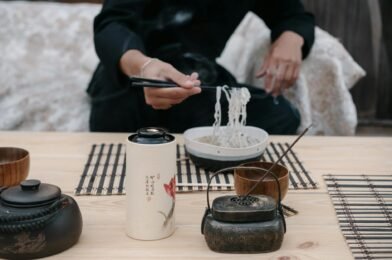
Dining Etiquette: A Culinary Adventure

Additionally, if you’re invited to someone’s home, it’s considered polite to bring a small gift like fruits or sweets. However, avoid giving items such as clocks or umbrellas, which are often associated with funerals and bad luck. Understanding these dining traditions can significantly enhance your experience, allowing you to savor each meal without the worry of offending your hosts.

Communicating with Care

Communication styles vary tremendously across Asia. In countries like India, directness may not always be welcomed; people often use indirect ways to convey their thoughts. This was evident during a meeting I attended in Mumbai, where participants often nodded or responded with “yes” to encourage discussion, even if they had reservations about the topic. What most people miss is that these subtle cues play an essential role in effective communication.

When conversing, be aware of your tone and body language. A smile can bridge many gaps, while an overly aggressive demeanor may lead to misunderstandings. Ask open-ended questions to foster dialogue and show genuine interest in local customs and practices. This approach not only deepens your understanding but also demonstrates respect for differing viewpoints.

Understanding Social Norms and Customs

Every region in Asia comes with its own set of social norms. In countries like Thailand, the monarch is greatly revered, and it’s essential to show respect when discussing the royal family. I remember a friend who casually mentioned something negative about the monarchy while in Bangkok, and the atmosphere changed instantly. People around us were visibly uncomfortable, and it reminded me that certain topics should be handled delicately.

Moreover, when visiting religious sites, dress modestly and follow specific guidelines. For instance, in Cambodia’s Angkor Wat, wearing shorts or sleeveless shirts is frowned upon. Always check in advance what is appropriate to wear and do during your visit to these sacred places. Adapting to local customs shows your willingness to engage thoughtfully with the culture.

The Value of Patience and Open-Mindedness

Traveling in Asia can sometimes test your patience. Whether it’s a delayed train in India or a long wait for food in a bustling Vietnamese restaurant, things may not always flow as smoothly as expected. Here’s the thing: embracing these moments with an open mind can transform frustration into amazing stories. I recall standing in line for over an hour at a street food stall in Hanoi, only to find that the bánh mì was worth every second of the wait. The joy and flavors that burst in my mouth were a testament to the experience.

When things don’t go according to plan, take a deep breath and remind yourself that cultural experiences often come with unexpected surprises. Practicing patience can enhance your understanding and appreciation of local life. This mindset allows you to immerse yourself fully in the vibrant culture around you.

Conclusion: Engage with Enthusiasm

Traveling through Asia is not just about seeing new sights; it’s about connecting with diverse cultures and understanding the values that shape them. By embracing cultural etiquette, you open the door to deeper relationships and enriching experiences. So, as you prepare for your next adventure, remember to respect personal space, navigate dining customs, communicate thoughtfully, and be open to new experiences.

What cultural etiquette tips have you encountered in your travels? Are there certain experiences that shaped how you approach different cultures? Feel free to share your thoughts and stories in the comments below!
How to Try Local Food Without Getting Sick Abroad

How to Try Local Food Without Getting Sick Abroad

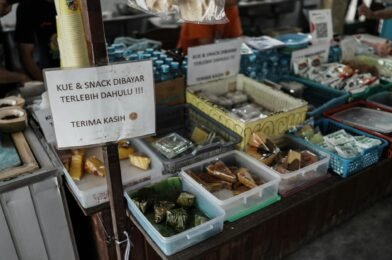
Imagine wandering through a bustling market in Thailand, surrounded by the tantalizing scents of street food wafting through the air. Your stomach growls as you eye a vendor flipping sizzling pad thai, or a local pushing a cart of glistening mango sticky rice. But wait—a question looms large: how can you indulge in these culinary delights without risking an unwelcome bout of food poisoning? It’s a concern that many travelers might share, and surprisingly, it’s easier to navigate than you might think.

Food is an integral part of every culture, serving as a delicious gateway to understanding customs, traditions, and the very essence of a place. However, venturing into the world of local eats can sometimes feel like a gamble. The truth is, with a few simple guidelines, you can savor local delicacies and avoid making any hasty trips to the bathroom. Let’s dive into some practical tips that will help you enjoy your culinary adventures abroad while keeping your digestive system happy.

Do Your Research Before You Eat

Before you even set foot in a new country, arm yourself with information. Research the local cuisine, common ingredients, and popular dishes. Websites, travel forums, and social media platforms like Instagram can be treasure troves of culinary insights. Did you know that in Mexico, street tacos are often a safe bet, while unpasteurized dairy products can lead to trouble? Your due diligence can save you from a regrettable meal. Here’s the thing: if you know that a particular dish is beloved by locals, it’s often a sign it’s safe to eat.

Moreover, consider checking online reviews specifically mentioning food safety. Platforms like TripAdvisor or Yelp often feature comments highlighting experiences with food hygiene. If you find multiple reviews praising a local eatery for its cleanliness, that’s a strong indication it’s worth your time—and your stomach. By being proactive, you set yourself up for success. What local food masterpieces have you discovered through research?

Choose Where You Eat Wisely

When you arrive at your destination, the first instinct might be to dive into the nearest food stall or restaurant. But hold on a second! Choosing where to eat can be as crucial as what to eat. Opt for places that are busy with locals; this is often a good sign that the food is fresh and the establishment is trusted. At the end of the day, a crowded eatery usually indicates that it’s popular for a reason.

For instance, during a trip to Vietnam, I stumbled upon a small pho stall bustling with locals. The owner, a friendly woman, was tirelessly preparing steaming bowls of broth that were gone in minutes. I decided to join the line, and let me tell you, that steaming bowl of pho was worth the wait! It was delicious and, more importantly, I felt confident about its quality. Have you ever taken a chance on a busy local joint? What was your experience like?

Pay Attention to Food Preparation

Observing how food is prepared can be a key factor in ensuring it’s safe to eat. As a general rule, avoid anything that looks like it has been sitting out for too long. Buffets and food left under heat lamps may pose a higher risk, as food safety standards can vary significantly across the globe. Instead, seek out places where food is made fresh to order, as the likelihood of contamination decreases substantially.

For example, I remember watching a street vendor in Morocco skillfully preparing fresh tagine, right before my eyes. The vibrant spices mingled in the air, and I could see each ingredient being tossed into the pot. It felt like a front-row seat to a culinary performance. The fact that everything was cooked on the spot gave me peace of mind, allowing me to fully enjoy the experience. What preparations do you enjoy watching? Which dishes make you salivate?

Trust Your Instincts and Stay Hydrated

Just as important as the food itself is how you react to your surroundings. If something feels off or the vendor seems untrustworthy, it’s perfectly acceptable to walk away. Don’t let fear of missing out push you into a situation that makes you uneasy. Trust your instincts! At the same time, keep yourself hydrated with bottled water or beverages that have been sealed. Drinking tap water in some countries can lead to unpleasant surprises. Staying hydrated not only keeps you feeling your best but also is a preventive measure against foodborne illnesses.

When I traveled to India, I made it a point to drink only bottled water, even when I was tempted to enjoy a refreshing glass of lemonade from a roadside stall. Sure, I missed out on a few experiences, but the trade-off for peace of mind was worth it. How do you stay hydrated when traveling? Have you tried local drinks that you loved or hated?

Slowly Introduce Your Palate to Local Flavors

Lastly, one of the best strategies for enjoying local food without compromising your health is to ease into it. If you’re not accustomed to spicy or rich dishes, don’t dive headfirst into authentic cuisine. Instead, start with milder options and gradually explore bolder flavors. This method allows your digestive system to adapt and reduces the chance of discomfort. What’s more, sampling smaller portions means you can try a variety of dishes without overwhelming your stomach.

During a visit to Greece, I started with a simple Greek salad before progressing to moussaka and finally indulging in baklava. By the time I reached the dessert phase, I was ready, and the sweet, flaky pastry was a delightful conclusion. Each dish prepared my palate for the next, and I left feeling satisfied rather than stuffed. What local flavors have you slowly introduced yourself to?

Share Your Culinary Adventures

Trying local food can be one of the most rewarding aspects of traveling, filled with tantalizing flavors and unforgettable experiences. By doing a little research, choosing your dining spots wisely, observing food preparation, trusting your instincts, and easing into new flavors, you can enjoy the delights of local cuisine without fear. Remember, every meal is not just about food; it’s about culture, connection, and, often, a story waiting to unfold.

So, what local dish are you eager to try on your next adventure? Share your thoughts, experiences, or tips in the comments! Let’s continue the conversation about culinary exploration—it’s a journey worth taking.

Best Places for Foodies to Travel Around the World

Unleashing Your Inner Foodie: The Best Places to Travel Around the World

Picture this: you’re sitting in a bustling market, the air infused with spices and the sizzle of street food filling your ears. You take a bite of something that dances on your palate, and for a moment, it feels like the world has stopped just for you. Travel isn’t just about seeing new sights—it’s about experiencing flavors that tell stories. But, where exactly should you pack your bags for the ultimate culinary adventure?

From the vibrant streets of Bangkok to the gourmet kitchens of Paris, the world is a playground for food lovers. In fact, exploring local cuisine can deepen your connection to a culture like nothing else. Yet, with so many destinations vying for the title of « foodie paradise, » it can be overwhelming to choose. Are you ready to discover the best culinary spots on the globe? Buckle up as we take you on a delicious journey!

Bangkok, Thailand: A Street Food Haven

When it comes to food, Bangkok is a veritable circus of flavors and aromas. Walking through its streets, you might find yourself tempted by grilled satay, spicy papaya salad, or a bowl of steaming tom yum soup. The truth is, this city offers an explosion of tastes that can excite even the most discerning palate. Take the famous Chatuchak Weekend Market, for instance—it’s home to countless food stalls selling everything from coconut ice cream to fried insects. Yes, you read that right! And why not? Experiencing local delicacies is part of the adventure.

But don’t just take my word for it. A friend of mine traveled to Bangkok last year and ventured into a small alleyway where a vendor was serving up pad thai. Intrigued, he ordered a plate, only to find it was the best he’d ever tasted. The vibrant flavors, the crunch of fresh ingredients, the warmth of the vendor’s smile—it was a moment he still talks about today. At the end of the day, the local street food scene is an essential part of experiencing Bangkok—not just for the food but for the culture and connections.

Tokyo, Japan: A Symphony of Flavors

If you’re a foodie, Tokyo should undoubtedly be on your travel itinerary. This city is a culinary kaleidoscope, offering everything from sushi to ramen, and even dishes you’ve never heard of before. Did you know that Tokyo has more Michelin-starred restaurants than any other city in the world? That’s right! Whether you indulge in a multi-course kaiseki meal or enjoy a hearty bowl of udon, prepare for your taste buds to be tantalized.

A friend once shared her experience at a tiny sushi bar in Tsukiji Market. She remarked how the chef, with deftness and precision, hand-formed each piece of sushi, serving them up with a side of stories about the fish selected that day. This kind of connection—where food becomes a narrative—is what makes Tokyo a must-visit for any food lover. So, what are you waiting for? Dive into the culinary world of Tokyo and discover flavors that linger long after the meal is over.

Barcelona, Spain: A Tapas Paradise

Imagine sharing small plates of vibrant dishes with friends, sipping a glass of rich red wine, while the sun sets over the Mediterranean. That’s the experience Barcelona offers. Tapas culture here is not just about the food; it’s an invitation to slow down and enjoy life. From patatas bravas to jamón ibérico, the diversity of flavors creates a culinary tapestry that is hard to resist.

Let’s not forget about the famous La Boqueria market! A must-visit for anyone who loves food, this market is teeming with fresh produce, cured meats, and tantalizing cheeses. A colleague of mine once spent an afternoon exploring its stalls, sampling everything from olives to artisan chocolates. For her, it was a sensory overload in the best possible way. Isn’t that what traveling for food is all about? Exploring, tasting, and connecting through flavors that bring people together.

Paris, France: A Love Affair with Gastronomy

Ah, Paris—the city of love and, without a doubt, the city of gastronomy. Whether you’re indulging in buttery croissants at a local boulangerie or dining at a Michelin-starred restaurant, the culinary delights here are nothing short of magical. The truth is, Parisian cuisine is rich with history, and every plate tells a story of tradition and innovation.

A friend of mine took a cooking class while in Paris, where she learned to make classic French dishes. She recounted how empowering it was to whip up coq au vin under the guidance of a seasoned chef, then savor her creation with a glass of Bordeaux. Those moments in the kitchen were about more than just cooking; they were about immersing herself in culture. At the end of the day, Paris is a feast for both the eyes and the palate—where every meal is an experience.

Mexico City, Mexico: A Flavor Explosion

When you think of Mexico City, what comes to mind? Tacos? Mole? Street vendors selling elote? This vibrant city is a culinary treasure trove waiting to be explored. With its unique blend of indigenous and Spanish flavors, a visit here promises a flavor explosion that will have your taste buds singing.

One memorable trip a friend took involved an organized food tour through the bustling markets of Mexico City. She relished the chance to try local favorites like tacos al pastor and churros with chocolate. Each bite felt like a celebration of culture! The warmth of the vendors and the spicy aromas lingering in the air formed a sensory experience she still reminisces about. Are you feeling hungry yet? The heart of Mexico City beats in its food—and that’s why it deserves a place on your travel list.

Conclusion: Ready to Embark on Your Culinary Adventure?

Traveling as a foodie opens up a world of flavors, connections, and experiences that are simply unforgettable. Whether you’re wandering the streets of Bangkok, savoring sushi in Tokyo, or enjoying tapas in Barcelona, you’re not just traveling—you’re creating memories steeped in culture and cuisine. So, which destination will you choose next? Share your thoughts in the comments below—let’s swap travel tales!