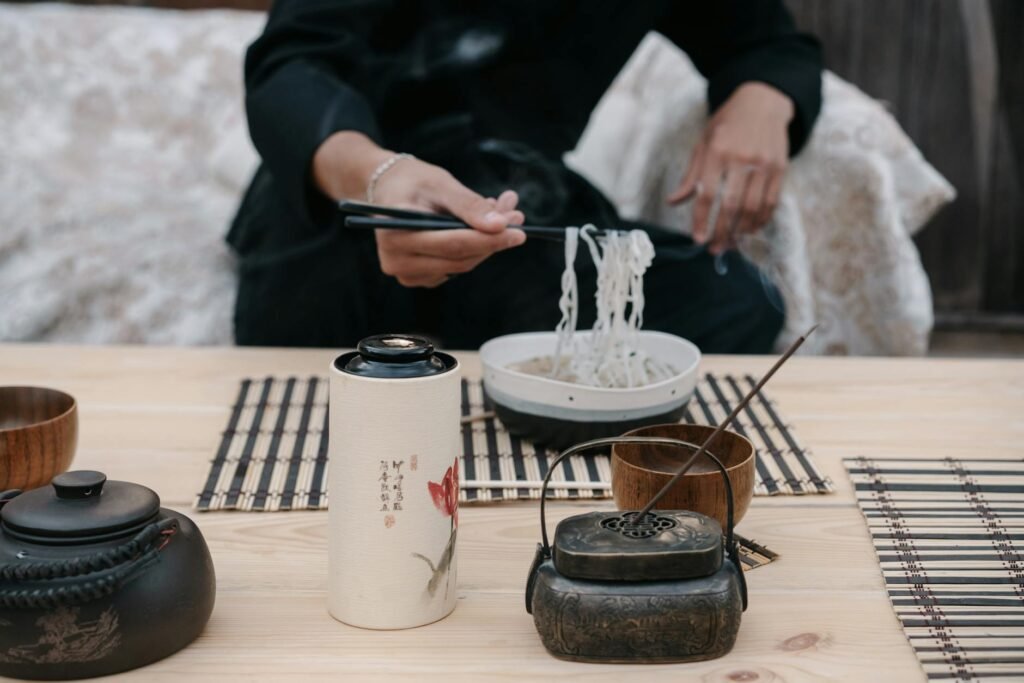
Cultural Etiquette Tips for Traveling in Asia: Embrace Respect and Curiosity
Imagine stepping into a bustling street market in Thailand, surrounded by the aroma of spices and the sound of vendors calling out to eager shoppers. It’s exhilarating, right? But here’s the catch: what if you unknowingly offend someone with a simple gesture? Cultural etiquette in Asia can be intricate and varies from country to country, making it essential for travelers to do their homework beforehand. Understanding these nuances not only enriches your travel experience but also fosters goodwill between cultures.
As you plan your journey, consider that Asia is a continent marked by immense diversity. From the serene temples of Japan to the vibrant festivals in India, each country boasts its own customs and traditions. So, how can you navigate this fascinating region without stepping on toes? Let’s explore some vital etiquette tips that can help you connect with locals and enjoy your time in this incredible part of the world.
Respect for Personal Space and Privacy
In many Asian cultures, personal space is treated differently than in Western societies. For instance, in Japan, people often value their privacy and may be reserved, especially in public places. An anecdote that highlights this is my encounter with a local at a Tokyo subway station. I was excited to strike up a conversation, but I noticed that people around were keeping a respectful distance from one another. It dawned on me that respecting personal space is crucial for comfort in this bustling environment.
So, what does this mean for you as a traveler? When interacting with locals, be mindful of your proximity. A simple nod or bow can go a long way in expressing your respect. Avoid unnecessary physical contact unless you are familiar with the person and the context. This simple adjustment can transform your interactions and lead to authentic connections.
Dining Etiquette: A Culinary Adventure
Additionally, if you’re invited to someone’s home, it’s considered polite to bring a small gift like fruits or sweets. However, avoid giving items such as clocks or umbrellas, which are often associated with funerals and bad luck. Understanding these dining traditions can significantly enhance your experience, allowing you to savor each meal without the worry of offending your hosts.
Communicating with Care
Communication styles vary tremendously across Asia. In countries like India, directness may not always be welcomed; people often use indirect ways to convey their thoughts. This was evident during a meeting I attended in Mumbai, where participants often nodded or responded with “yes” to encourage discussion, even if they had reservations about the topic. What most people miss is that these subtle cues play an essential role in effective communication.
When conversing, be aware of your tone and body language. A smile can bridge many gaps, while an overly aggressive demeanor may lead to misunderstandings. Ask open-ended questions to foster dialogue and show genuine interest in local customs and practices. This approach not only deepens your understanding but also demonstrates respect for differing viewpoints.
Understanding Social Norms and Customs
Every region in Asia comes with its own set of social norms. In countries like Thailand, the monarch is greatly revered, and it’s essential to show respect when discussing the royal family. I remember a friend who casually mentioned something negative about the monarchy while in Bangkok, and the atmosphere changed instantly. People around us were visibly uncomfortable, and it reminded me that certain topics should be handled delicately.
Moreover, when visiting religious sites, dress modestly and follow specific guidelines. For instance, in Cambodia’s Angkor Wat, wearing shorts or sleeveless shirts is frowned upon. Always check in advance what is appropriate to wear and do during your visit to these sacred places. Adapting to local customs shows your willingness to engage thoughtfully with the culture.
The Value of Patience and Open-Mindedness
Traveling in Asia can sometimes test your patience. Whether it’s a delayed train in India or a long wait for food in a bustling Vietnamese restaurant, things may not always flow as smoothly as expected. Here’s the thing: embracing these moments with an open mind can transform frustration into amazing stories. I recall standing in line for over an hour at a street food stall in Hanoi, only to find that the bánh mì was worth every second of the wait. The joy and flavors that burst in my mouth were a testament to the experience.
When things don’t go according to plan, take a deep breath and remind yourself that cultural experiences often come with unexpected surprises. Practicing patience can enhance your understanding and appreciation of local life. This mindset allows you to immerse yourself fully in the vibrant culture around you.
Conclusion: Engage with Enthusiasm
Traveling through Asia is not just about seeing new sights; it’s about connecting with diverse cultures and understanding the values that shape them. By embracing cultural etiquette, you open the door to deeper relationships and enriching experiences. So, as you prepare for your next adventure, remember to respect personal space, navigate dining customs, communicate thoughtfully, and be open to new experiences.
What cultural etiquette tips have you encountered in your travels? Are there certain experiences that shaped how you approach different cultures? Feel free to share your thoughts and stories in the comments below!